radius.
I provided UX design support for the Velocity SaaS platform, working on fleet vehicle tracking and live management tools like Velocity, Kinesis Pro, UKTelematics, and Fleetview.

Work varies day to day—no two days have been the same. I balanced work on complex legacy systems with full redesigns, continuously reprioritising content and layout to meet changing needs and improve usability.
I loved working on this — the live service model for vehicle and fleet tracking meant I could really dig into the data and see insights unfold in real time.
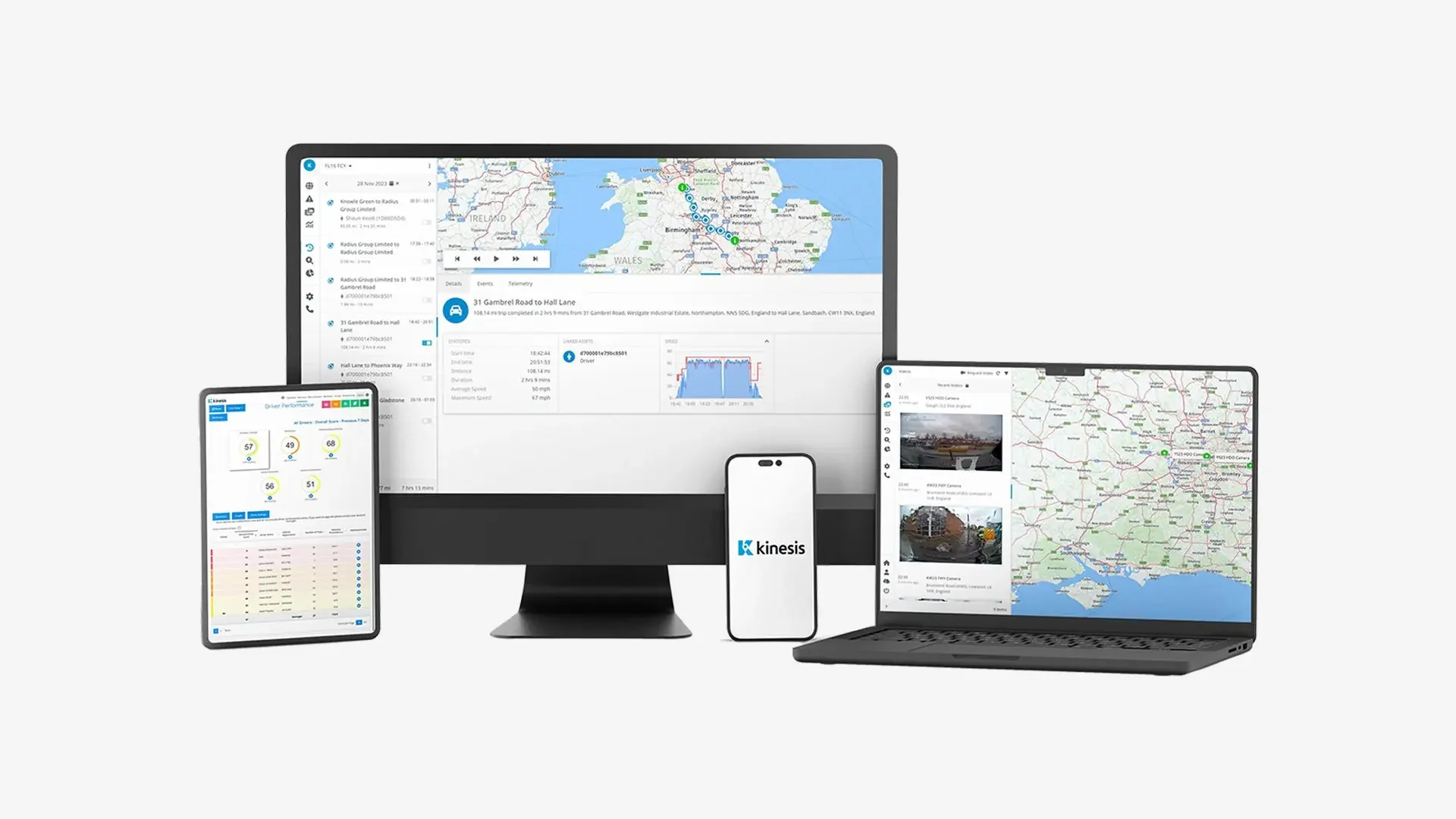
Kinesis Pro live map.
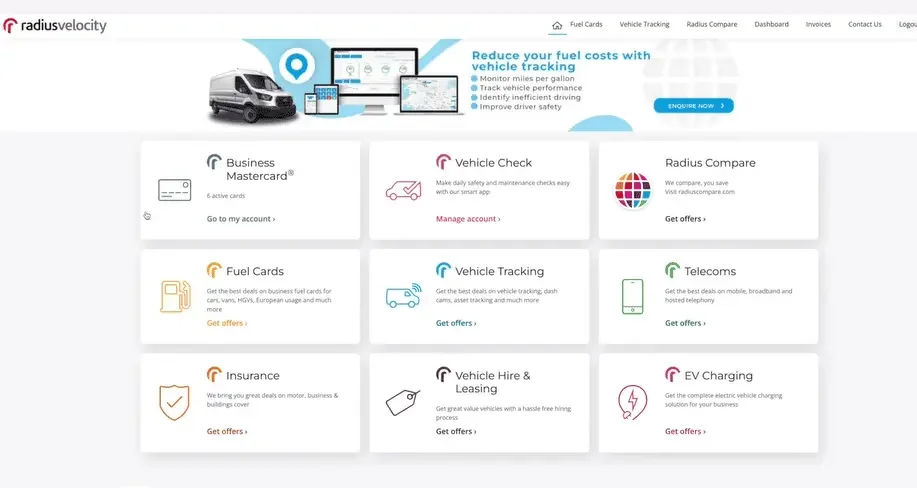
Radius Kinesis homepage
design library
When I joined the team, the Figma design libraries across our products were struggling with scale. They were full of redundancies and hard to use because components had become bloated and inconsistent. Stakeholders were very close to the product, and I quickly recognised that high-fidelity prototyping had been neglected within the design system. I rebuilt the library from scratch, defining clear standards and creating lightweight components with auto-layout and page templates. The result reduced design bloat, improved prototype fidelity, and made the system easier to maintain and iterate.
I started by auditing the libraries to identify duplicates, variant drift, and components that tried to do too much. From there I:
Consolidated duplicates into single source-of-truth components.
Simplified components by removing rarely used props and splitting overly complex elements into smaller, composable pieces.
Standardised naming, spacing, and variant structure so components behaved predictably.
Created clear usage guidelines and examples inside the library to reduce misuse and speed onboarding.
Implemented a lightweight governance process for changes: proposal → review → merge, with versioning and changelogs.
As a result the libraries became smaller, faster to navigate, and easier to maintain. Designers could find and apply components more confidently, handoffs to engineers improved, and the team scaled design work with fewer inconsistencies and less rework.